This whole thing is basically click fraud for the AI era.
Well, I have an IT background, so maybe I have an unfair advantage here. But like everything else in business, we absolutely MUST know the basics.
I am a massive fan of vibe coding. Being able to spin up prototypes and working MVPs in literal minutes or days instead of waiting months is a complete game changer for building and testing ideas. It is incredibly fun to just look at a prompt, see a working application appear, and run with it.
But moving that fast comes with a massive trap. When we rush the build, the basic architectural fundamentals get pushed to the side. And when those basics get ignored, an entire company runway or a client’s hard-earned budget can vanish in minutes due to a single exposed credential.
This actually hits incredibly close to home . . . because it just happened to me.
Google recently changed the rate limiting on their end, and things could have gotten ugly fast. Luckily, I had our credit card set up to immediately flag repeat charges . . . so we didn’t get burnt badly at all. But a lot of founders and developers out there are not getting off so easy.
The Anatomy of AI-Era Click Fraud
In the traditional web era, a leaked API key might result in someone scraping your data or running up a modest bill. In the GenAI era, compromised credentials are weaponized for heavy inferencing workloads . . . like running massive video generation or image output tokens.
Because AI processing is incredibly resource intensive, malicious actors can drain thousands of dollars in a literal heartbeat. Look at what happened in the recent news reports highlighting this multi-layered breakdown:
- The Frontend Exposure Trap: For years, Google’s standard documentation instructed developers to hardcode Google Maps API keys directly into the frontend (client-facing browsers) so widgets could load.
- The Silent Shift: Google later allowed those exact same legacy keys (the ones starting with the AIZA naming convention) to globally access Gemini AI models.
- The Result: Bad actors actively scraped public web pages and GitHub repos, found these exposed “Maps” keys, and instantly repurposed them to run massive AI workloads on the victim’s dime.
“Auto-Upgrading” Financial Tiers
Perhaps the most egregious part of this scenario is the total failure of safety nets. Developers who explicitly set a hard budget cap . . . say, $250 . . . woke up to five-figure bills. Why?
Google implemented an automated policy designed to “help” developers scale by automatically bumping them to higher usage tiers. When the attacker flooded the API with requests, Google’s automated system mistook the malicious traffic for legitimate business growth, automatically lifting the spending ceiling from $250 to $100,000.
The Vendor Lock-In Dilemma: As the victims pointed out, they couldn’t just issue a chargeback through their credit card company without risking Google shutting down their entire account. That effectively kills their legitimate business applications overnight.
Protecting the Budget: The Absolute Basics
Vibe coding is the best way to iterate fast, but you still need to secure the perimeter before pushing anything live. Preventing this type of catastrophic billing spike comes down to a few hard architectural rules:
- Strict API Restrictions: Never let a single key wear multiple hats. If a key is meant for Maps, it should be hard-restricted in the console to only call the Maps API, and restricted by HTTP referrer or IP address.
- Isolate the Frontend: Frontend keys should be treated as completely untrusted. Any heavy lifting, especially AI inferencing, must be gated behind a secure backend proxy.
- Treat AI Keys Like Crypto Wallets: Because AI tokens are highly liquid and instantly valuable to attackers, AI keys need aggressive, multi-factor, locked-down rotation schedules.
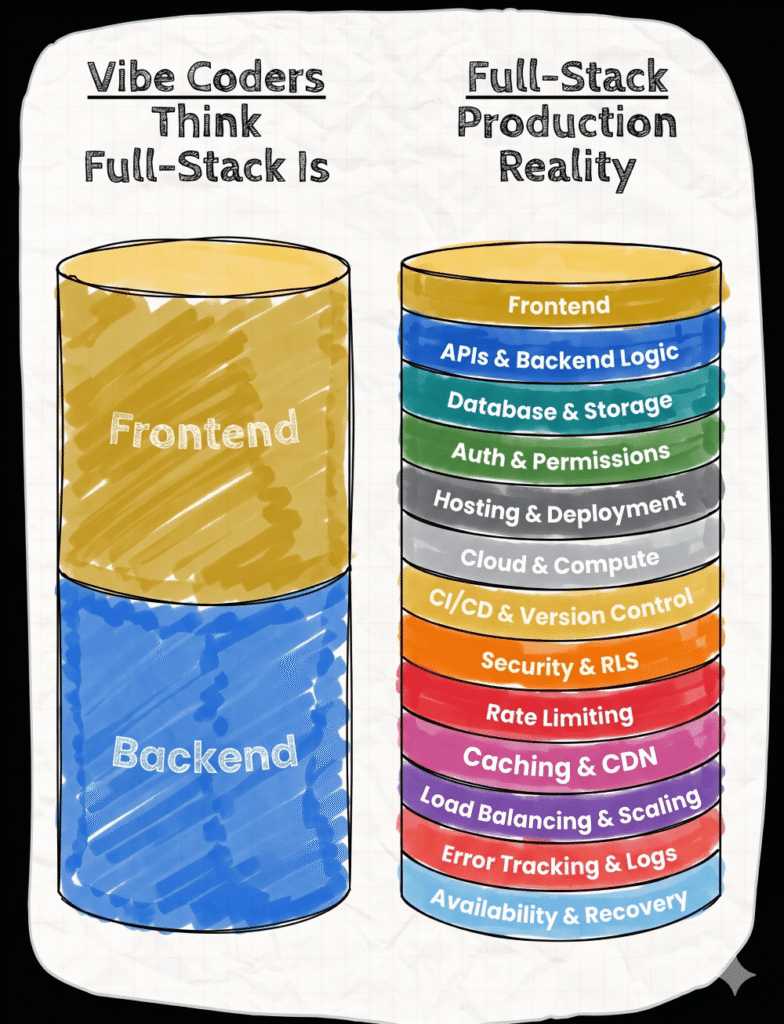
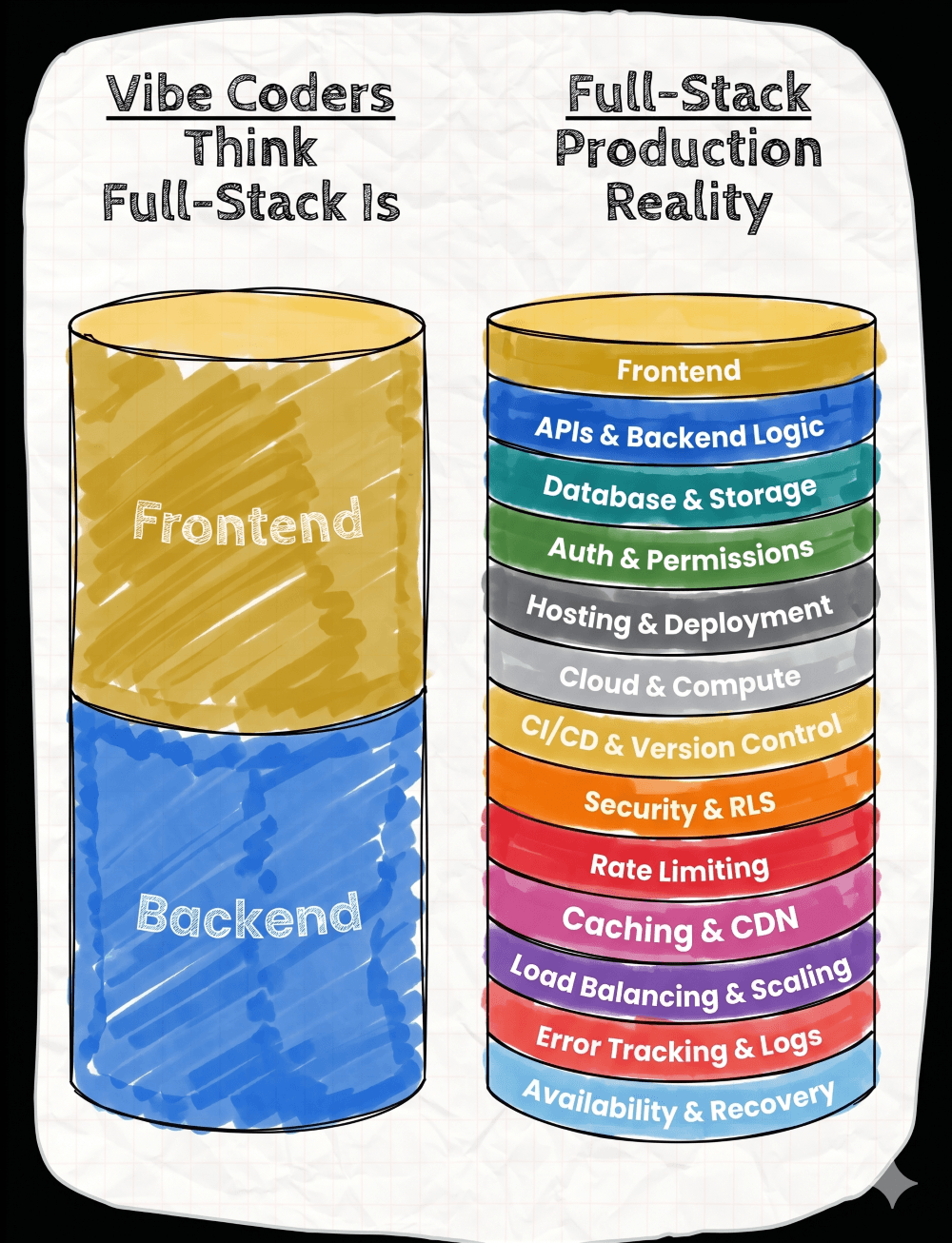
It’s a brutal reminder that you can build the most beautiful frontend and robust backend in the world, but if the underlying plumbing allows a client-side key to spin up a supercomputer on your credit card, the stack fails.